
Services > Early Development & Play
Social Communication Therapy (All Ages)
Practical Skills for Real Conversations
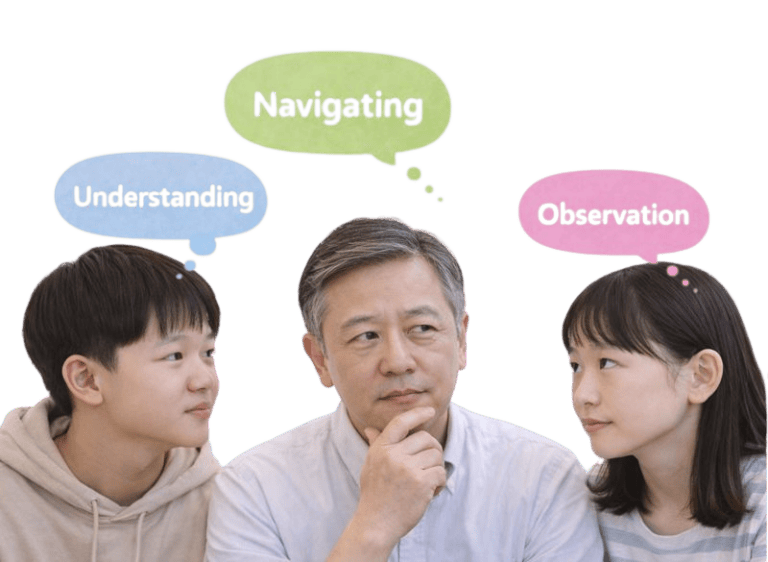
As social demands increase in adolescence and adulthood, communication becomes more complex — involving subtle cues, group dynamics, perspective-taking, and self-advocacy.
Our Social Communication Therapy supports teens and adults to understand social expectations, navigate conversations intentionally, and communicate with confidence in school, work, and everyday life.
Speech Therapy Adventures is endorsed by:


Services > Early Development & Play
Practical Skills for Real Conversations
As social demands increase in adolescence and adulthood, communication becomes more complex — involving subtle cues, group dynamics, perspective-taking, and self-advocacy.
Our Social Communication Therapy supports teens and adults to understand social expectations, navigate conversations intentionally, and communicate with confidence in school, work, and everyday life.
Speech Therapy Adventures is endorsed by:
Who This Is For
This service is designed for:
• Adolescents and teens
• Young adults and adults

Who may experience:
• Difficulty navigating friendships or group conversations
• Uncertainty about unspoken social rules
• Challenges with perspective-taking in complex social situations
• Anxiety or fatigue during social interactions
• Misunderstandings at school, university, or the workplace
How This Programme Works
Structured, Explicit, and Practical
This programme offers:
• Clear explanations of social expectations
• Explicit teaching of social strategies
• Practice through discussion, role-play, and reflection
Rather than learning through play, participants learn through guided reasoning and supported practice.
How Our Therapy Helps
We work on skills, practised in ways that feel respectful, age-appropriate, and realistic.

Entering, Maintaining & Exiting Conversations
Learn how to join conversations naturally, stay engaged without overthinking, and leave interactions in ways that feel socially appropriate — without rehearsed scripts.
Perspective-Taking & Social Inference
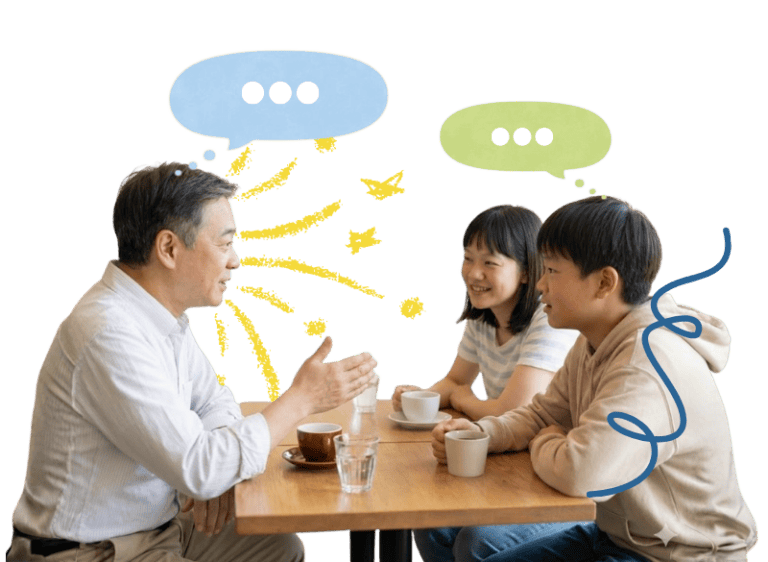
Develop a clearer understanding of what others may be thinking or feeling, including implied meanings, tone, body language, and unspoken expectations.
Managing Group Conversations & Friendships
Navigate group dynamics, turn-taking, topic shifts, and social hierarchies — whether in classrooms, workplaces, or social settings.

Repairing Misunderstandings
Learn how to recognise breakdowns in communication and repair them effectively — including clarifying intent, responding to feedback, and rebuilding connection.

Navigating Social Challenges Across Life Contexts
Apply strategies to real-life situations such as school presentations, workplace meetings, interviews, online communication, and community interactions.
Flexible Delivery Options
In-Person or Online
Social Communication Therapy can be delivered:
• In-person
• Via Zoom, which is often a highly effective and comfortable option for teens and adults
Online sessions allow for:
• Reduced social pressure
• Real-time discussion of online and workplace communication
• Greater accessibility and flexibility
What To Expect
Sessions are structured yet supportive. Participants may experience:
• Clear frameworks for understanding social situations
• Opportunities to practise skills in a safe space
• Reflection on real-life challenges
• Increased confidence and self-awareness over time

You Don’t Have to Figure This Out Alone
If social interactions feel effortful, confusing, or draining — you’re not imagining it, and you’re not alone.
Many adolescents and adults understand what they want to say, but struggle with how, when, or why conversations unfold the way they do. Over time, this can lead to anxiety, overthinking, masking, or avoiding social situations altogether.
Social communication is a skill — not a personality flaw. And skills can be understood, practised, and strengthened.
Our role is to help you make sense of social situations, build practical strategies that feel authentic, and support you in communicating with more clarity, confidence, and ease — at your own pace.
Our Reassuring Reminder
You don’t need to change who you are to communicate well.
You need clarity, understanding, and tools that fit your life.
We help you build exactly that.
Frequently Asked Questions
About Social Communication Therapy (All Ages)
Is this therapy only for people with a diagnosis?
No diagnosis is required. We work with individuals who experience social communication challenges, regardless of labels.
Is this suitable for autistic teens and adults?
Yes. Many autistic individuals find this approach helpful because it is explicit, respectful, and grounded in real-life situations — not social “rules” or masking.
Will I be taught scripts for conversations?
We focus on understanding and reasoning, not memorising scripts. The goal is flexible communication that feels natural and authentic to you.
Is this like a social skills class?
No. Sessions are individualised and collaborative, focused on your real experiences rather than generic social behaviours.
Can this help with workplace communication?
Yes. We frequently support clients with meetings, presentations, teamwork, feedback conversations, and professional boundaries.
I feel anxious in social situations — can this help?
Yes. Understanding social expectations and having practical strategies often reduces anxiety and mental fatigue over time.
What ages do you work with?
We work with adolescents, teens, young adults, and adults. Therapy is always adapted to be age-appropriate and respectful.
Are online sessions effective?
Very. Many clients prefer online sessions due to reduced pressure and the ability to discuss real-time digital and workplace communication.
How long does therapy usually take?
This varies depending on goals and needs. Progress often unfolds gradually, with growing clarity, confidence, and self-awareness.
Will this change who I am?
No. Therapy is about supporting communication, not changing your personality.
Communication Can Feel Easier Than This
If conversations leave you second-guessing yourself, feeling misunderstood, or mentally exhausted — support is available.
You don’t have to navigate social communication on your own.