
Services > Voice & Medical Rehabilitation
Head & Neck Cancer (Voice & Swallowing Rehabilitation)
Gentle, specialised care for your voice, swallowing, and communication
Your journey has already shown immense strength.
Treatment for head and neck cancer can affect speaking, swallowing, and daily communication — but with the right support, many people regain comfort, clarity, and confidence.
You don’t have to navigate this alone.
Speech Therapy Adventures is endorsed by:


Services > Voice & Medical Rehabilitation
Gentle, specialised care for your voice, swallowing, and communication
Your journey has already shown immense strength.
Treatment for head and neck cancer can affect speaking, swallowing, and daily communication — but with the right support, many people regain comfort, clarity, and confidence.
You don’t have to navigate this alone.
Speech Therapy Adventures is endorsed by:
You May Be Noticing
• Changes in voice or speech clarity
• Difficulty swallowing or eating
• Dry throat or reduced saliva
• A weak, strained, or breathy voice
• Challenges communicating after surgery
• Fatigue when speaking

These changes are real — and reaching out for help is an act of courage and self-care.
What This Means
Treatment for head and neck cancer can temporarily or permanently affect the muscles, breath support, and structures needed for speech and swallowing.
These communication and swallowing changes are common, treatable, and not a sign of decline.
With gentle, evidence-based support, many people regain strength, safety, clarity, and confidence.
How Our Therapy Helps
We support your communication and swallowing through gentle, evidence-based approaches — always aligned with your medical care, comfort, and energy levels:
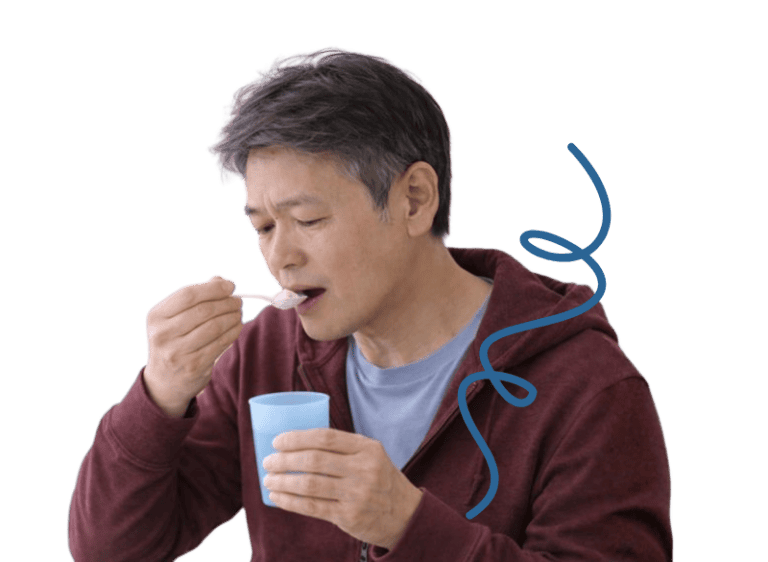
Swallowing Safety & Strategies
Helping you eat and drink more safely and comfortably, with techniques tailored to your stage of recovery.

Speech Clarity & Expression
Supporting clearer speech so you can be better understood in everyday conversations.

Voice Therapy After Treatment
Improving vocal quality, stamina, and comfort after surgery, radiation, or prolonged strain.

Alternative Communication Options
Providing tools such as writing, gestures, or communication aids when speech is difficult, so you can still express your needs.

Gentle Recovery Exercises
Using targeted, low-demand exercises to maintain or rebuild strength without overwhelming you.

Education & Emotional Support
Helping you and your family understand what’s happening, what to expect, and how to cope with changes in a compassionate, hopeful way.
What To Expect
Sessions are gentle, steady, and shaped around your healing stage. You may experience:
• Slow, safe pacing
• Encouragement without pressure
• Strategies that fit your energy on good and difficult days
• Respect for your journey, limits, and hopes
You bring resilience.
We bring guidance.
Together, we rebuild communication — step by step.

Gentle Support Through Recovery
Your healing is a partnership.
Small, consistent steps — taken at your pace — make a meaningful difference.
We’ll guide you with simple strategies for communication and swallowing that fit your energy level, your schedule, and your medical stage. Whether it’s positioning, pacing, voice care habits, or safe swallowing techniques, your involvement helps reinforce progress beyond the session.
You are not expected to “push through.”
Your role is simply to show up as you are — and we take it from there, together.
Our Reassuring Reminder
Recovery from head and neck cancer is a deeply personal journey — and there is no “right” timeline.
Some days will feel easier, others more challenging, and all of that is normal.
What matters is that healing is possible — step by gentle step — with the right support, tools, and encouragement.
You are doing incredibly well.
Your strength, your courage, and your voice still hold power.
We’re here to help you reclaim comfort, clarity, and confidence, one moment at a time.
Frequently Asked Questions
About Head & Neck Cancer (Voice & Swallowing Rehabilitation)
How does head and neck cancer affect speech and swallowing?
Treatment (surgery, radiation, chemotherapy) can affect muscles and nerves used for speech, swallowing, and breathing. This may lead to voice changes, swallowing discomfort, reduced saliva, or changes in clarity. Longer term effects of radiation may cause fibrosis, reducing the range of motion of your muscles and affecting your ability to talk, chew and swallow.
When should I start speech-language therapy?
Ideally before treatment begins.
Early support helps maintain strength and makes recovery smoother — but therapy is helpful at any stage.
What does therapy involve?
Depending on your needs, therapy may include:
- Swallowing exercises & strategies
- Voice and speech clarity work
- Safe eating and drinking techniques
- Communication tools during recovery
- Education for you and your family
- Emotional support and confidence-building
Everything is personalised to your energy and medical stage.
Do you support people using feeding tubes?
Yes. Swallowing therapy can begin with a tube in place (when safe), helping maintain muscle function and prepare for oral intake when appropriate.
Will therapy be painful?
No. Sessions are gentle, safe, and always adapted to your comfort.
What if I'm losing weight or having trouble eating?
We support swallowing safety and coordinate closely with your medical and nutritional team. Your health is the priority.
Can radiation cause changes to speech and swallowing?
Yes. Dryness, tightness, discomfort, and fatigue are common. Therapy helps minimise impact and support recovery.
Do you collaborate with my medical team?
Absolutely — collaborative care is essential in oncology recovery.
Can you help with voice changes after treatment?
Yes. We support quality, stamina, and comfort using evidence-based voice techniques.
Will I get exercises for home?
Yes, always at a pace that’s gentle and manageable.
What if I feel anxious, emotional, or overwhelmed?
These feelings are natural. We support your communication, coping, and confidence — at your pace.
I’m often tired — how will I manage sessions?
We work energy-aware. Shorter, lighter sessions are absolutely acceptable.
Ready to Receive Support?
Let’s talk about your needs and explore gentle, personalised therapy options that match your recovery stage.