
Services > Hearing & Auditory Skills
Auditory Training
& Listening Therapy
Strengthening Listening Skills for Children & Adults
Listening is more than just hearing — it’s how the brain interprets, processes, and makes sense of sound.
When listening feels difficult or tiring, auditory training helps build stronger pathways for clearer understanding and confident communication.
Speech Therapy Adventures is endorsed by:


Services > Hearing & Auditory Skills
& Listening Therapy
Strengthening Listening Skills for Children & Adults
Listening is more than just hearing — it’s how the brain interprets, processes, and makes sense of sound.
When listening feels difficult or tiring, auditory training helps build stronger pathways for clearer understanding and confident communication.
Speech Therapy Adventures is endorsed by:
You May Be Noticing
• Difficulty following spoken instructions
• Frequent “Huh?” / “What?”
• Struggling to understand speech in noisy places
• Trouble remembering what was heard
• Needing extra repetition
• For adults: listening fatigue after conversations

Auditory skills grow with practice — and support makes the journey much easier.
What This Means
Auditory training is not about “trying harder.”
It’s about helping the brain strengthen how it receives, processes, and organises sound.
Children may show delayed listening skills or difficulty following verbal instructions.
Adults may feel drained or overwhelmed in conversations, especially in noise.
With the right support, listening comfort and clarity can improve meaningfully.
How Our Therapy Helps
We focus on strengthening the brain’s listening pathways in practical, encouraging ways — and when needed, we collaborate with your audiologist to ensure a complete, well-rounded approach:
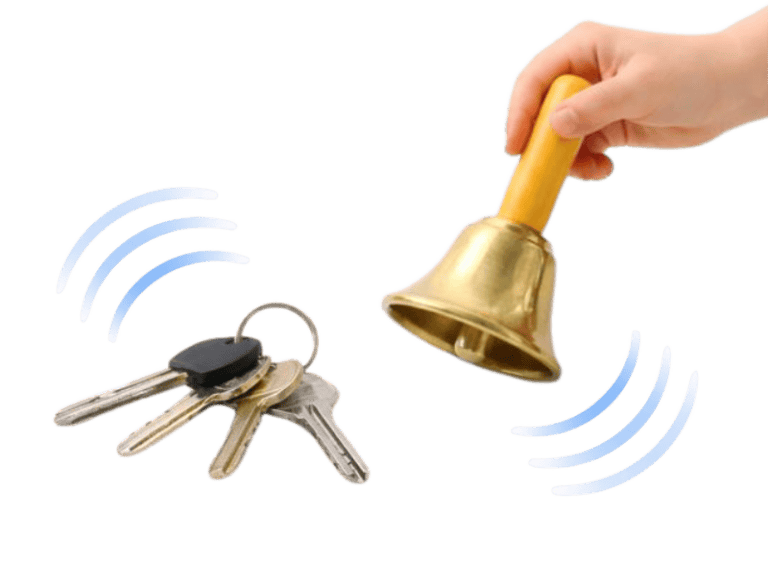
Sound Awareness
Helping the brain notice and interpret important sounds.
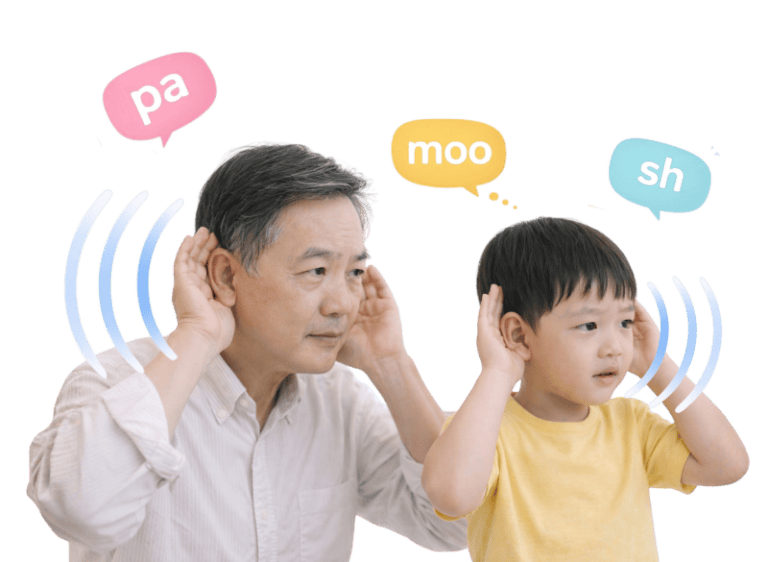
Listening Accuracy & Discrimination
Tuning into the differences between sounds, words, and similar speech patterns.
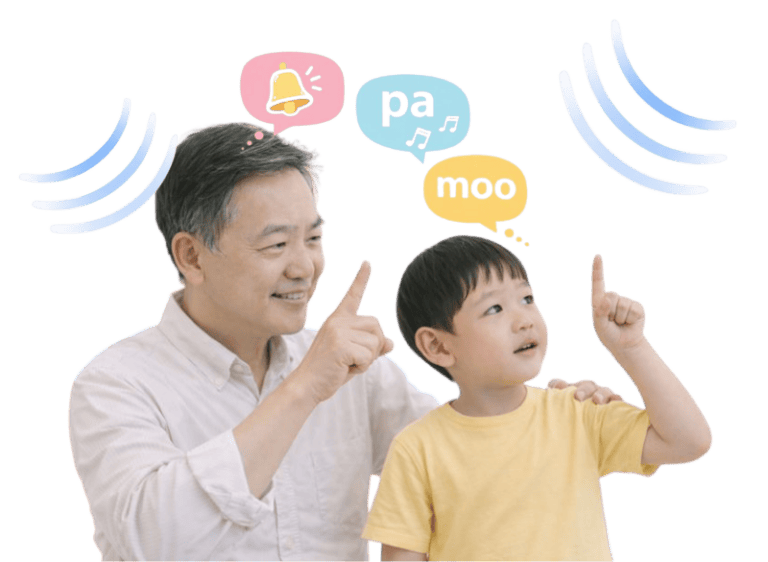
Understanding Spoken Language
Building comprehension skills for home, school, work, and social communication.
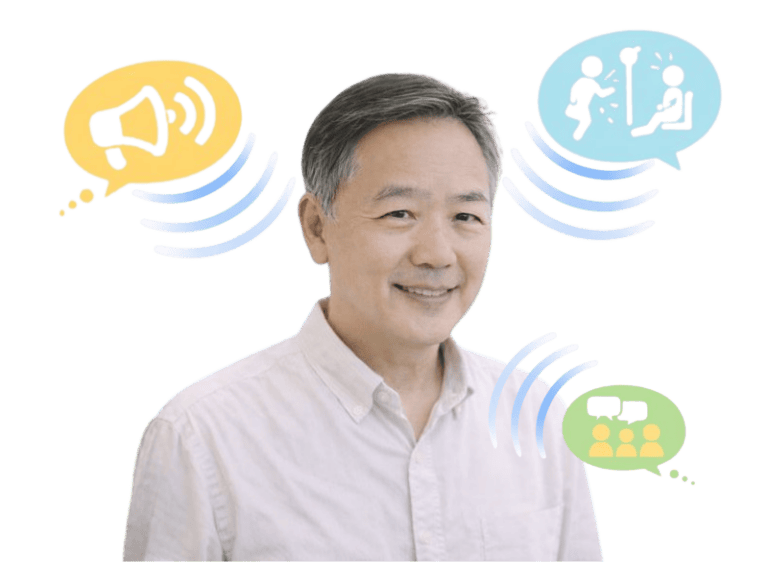
Listening in Noise
Strengthening skills for classrooms, playgrounds, offices, and busy environments.
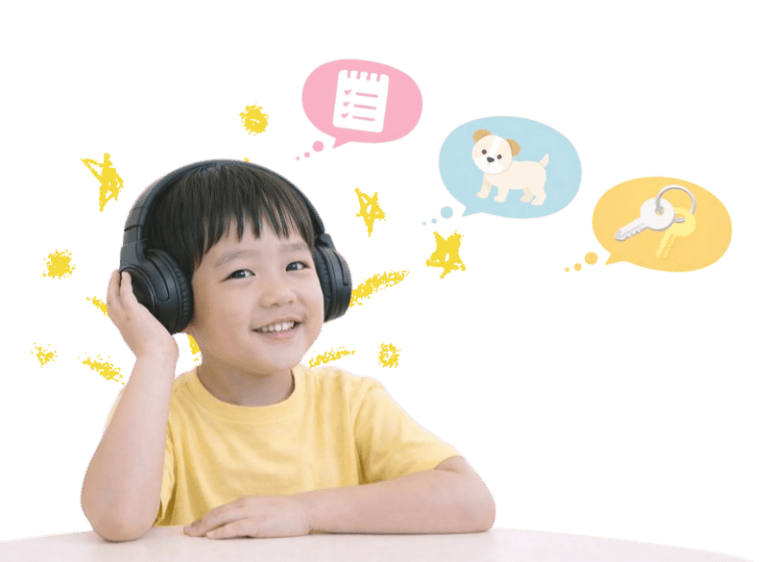
Auditory Memory & Attention
Helping the brain hold onto and recall what was heard.

Confidence in Real-Life Communication
Supporting smoother conversations in day-to-day situations.
What To Expect
For Children
Therapy is child-led, meaningful, and play-based through:
• Games and listening activities
• Rhythm and movement exercises
• Story and conversation practice
• Listening tasks woven naturally into play
• Gentle increases in difficulty at a safe pace
For Adults
We focus on real-world communication through:
• Everyday listening scenarios
• Strategies for clearer communication
• Practice in noisy or demanding environments
• Tools to reduce listening fatigue
No pressure — just steady, supported progress.

Gentle Support That Fits Into Daily Life
Therapy does not need to be stressful.
We’ll show you simple routines and listening activities that blend easily into daily life, helping skills grow naturally and consistently.
Our Reassuring Reminder
Listening success is about brain practice, not effort or willpower.
With consistency, patience, and the right support, listening becomes clearer, stronger, and more comfortable — one step at a time.
.
Frequently Asked Questions
About Auditory Training & Listening Therapy
What is auditory training?
Auditory training strengthens how the brain processes sounds — including speech, environmental noises, and language. It supports listening clarity, attention, and comprehension.
Who benefits from auditory training?
Children and adults who have:
- Hearing loss (with hearing aids or cochlear implants)
- Listening fatigue in noise
- Difficulty understanding speech in busy environments
- Delayed auditory development or weak listening skills
Is auditory training only for people with hearing loss?
No. It also supports individuals with listening or processing challenges even when hearing test results are normal.
What skills do you work on?
- Listening discrimination
- Sound awareness and memory
- Understanding speech in noise
- Following spoken instructions
- Communication in groups or classrooms
- Self-advocacy and listening confidence
What does a session look like?
Structured listening tasks, play-based learning for children, and real-world communication practice for adults.
Do parents join sessions?
Yes — family involvement strengthens progress at home.
How long before we see improvement?
It varies, but consistent support leads to gradual, meaningful gains in listening comfort and clarity.
Does auditory training replace hearing devices?
No. It works alongside hearing aids or cochlear implants to improve outcomes.
Do you collaborate with audiologists?
Absolutely. Coordination between audiology and therapy provides stronger results.
Can therapy help with classroom listening?
Yes — we teach strategies for school, work, and community settings.
Do you offer tele-therapy?
Yes — many listening goals can be effectively supported online.
With Practice, Patience & Encouragement, Listening Grows Stronger
Have questions about listening support? Let’s talk about your goals.