
Services > Language & Learning Skills
Dyslexia
& Reading Support
When reading feels hard, it’s easy to worry — and that’s completely natural.
With the right support, understanding can grow, confidence can build, and reading can begin to make sense.
Speech Therapy Adventures is endorsed by:



Services > Language & Learning Skills
& Reading Support
When reading feels hard, it’s easy to worry — and that’s completely natural.
With the right support, understanding can grow, confidence can build, and reading can begin to make sense.
Speech Therapy Adventures is endorsed by:
Strengthening the Skills
That Make Reading Possible
Language-Based Literacy Foundations for Confident Readers
Reading difficulties are often rooted in underlying language processing differences — not motivation or effort.
Many children with dyslexia demonstrate strong reasoning, creativity, and problem-solving skills, yet benefit from targeted support to strengthen the language foundations that underpin reading and spelling.
Our dyslexia and reading support focuses on building core language-based literacy skills, including:
• Phonological awareness
• Sound–symbol relationships
• Vocabulary and oral language comprehension
• Sentence structure and working memory
By strengthening these foundations, children are better equipped to decode, understand, and engage with written text more confidently.
Intervention is explicit, supportive, and tailored to your child’s individual learning profile — helping reading become more manageable, meaningful, and sustainable over time.
You May Be Noticing
• Difficulty connecting letters to sounds
• Trouble sounding out or blending words
• Slow or effortful reading
• Avoiding reading or writing tasks
• Challenges understanding text
• Difficulty retelling stories

Dyslexia does not reflect intelligence — it reflects how the brain processes language.
What This Means
Children with dyslexia often need extra support in the language skills behind reading, including sound awareness, vocabulary, sentence understanding, and storytelling.
Speech therapy supports these language areas so reading becomes more manageable, less overwhelming, and more confidence-building over time.
How Our Therapy Helps
We strengthen the language and communication foundations shown by research to support reading — and integrate structured literacy principles with speech-language techniques:
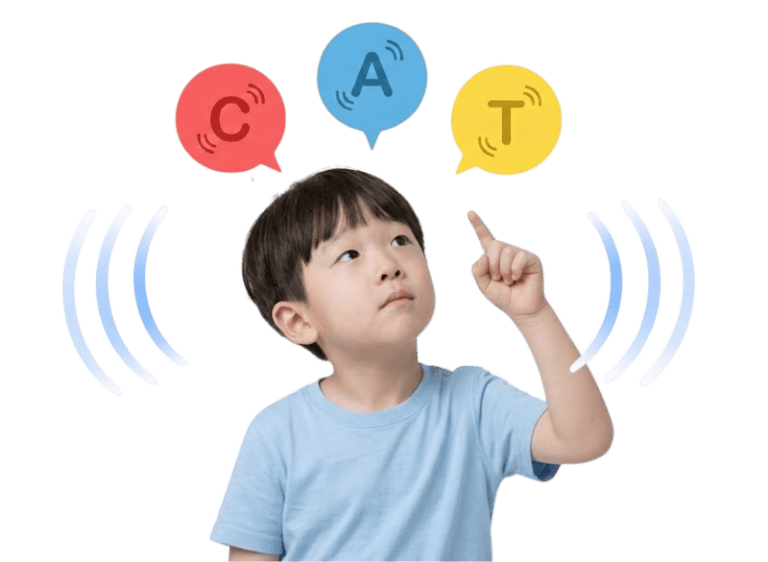
Phonological Awareness
Building skills like rhyming, segmenting, blending, and sound manipulation.
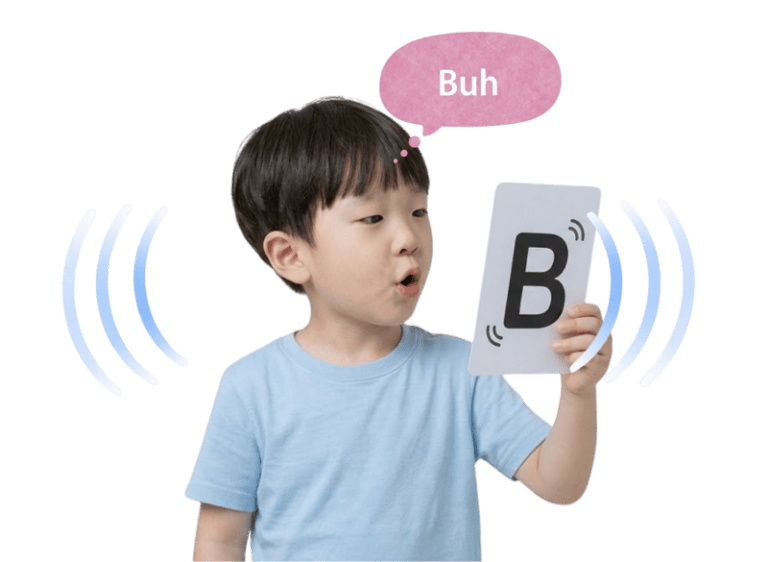
Sound-to-Letter Links
Supporting understanding of how speech sounds connect to written letters
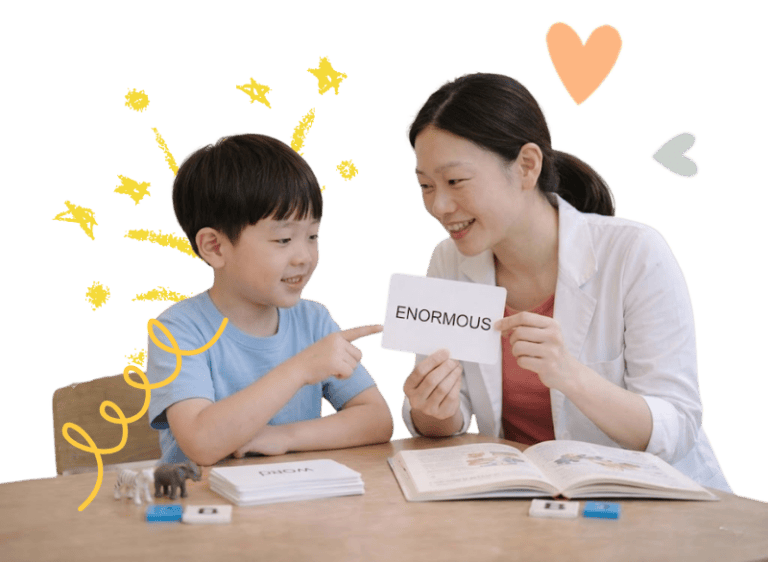
Vocabulary & Comprehension
Helping children understand words, sentences, and stories more easily.
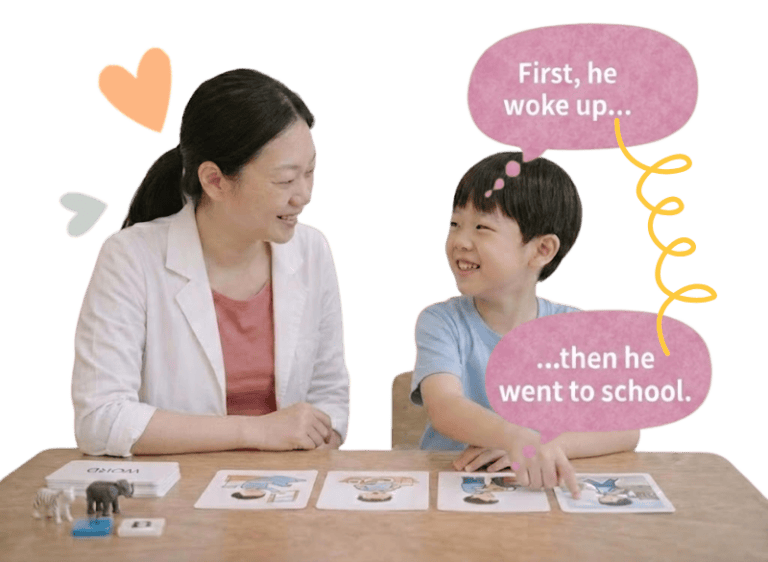
Sequencing & Storytelling
Supporting clear, organised thinking for reading and writing tasks.
Confidence & Motivation
Helping children feel capable, understood, and less anxious about reading.
What To Expect
Sessions are warm, encouraging, and tailored to your child’s needs. You may see:
• Multi-sensory learning
• Step-by-step, structured practice
• Visual supports and sound tools
• Reading tasks embedded in playful, meaningful contexts
• A strong focus on confidence and resilience
We celebrate effort just as much as progress.

Supporting Reading Growth, Together
Reading grows stronger with support at home.
We’ll share simple, stress-free ways to build early literacy during daily routines, books, conversations, and play — so learning feels joyful, not pressured.
Our Reassuring Reminder
Reading challenges do not define your child’s intelligence or potential.
With understanding, encouragement, and the right support, children build strong, confident literacy pathways.
We’re here to walk beside your family.
Frequently Asked Questions
About Dyslexia & Reading Support
How is dyslexia connected to speech therapy?
Speech therapists support the language foundations behind reading: phonological awareness, vocabulary, comprehension, and storytelling.
What early literacy skills do you work on?
- Sound awareness
- Vocabulary and grammar
- Listening and comprehension
- Storytelling and retelling
- Reading confidence and strategies
Does this replace tutoring or dyslexia intervention?
No. We strengthen language and sound foundations.
Tutoring programs often complement this work with more reading practice.
What are signs of language-based reading challenges?
- Trouble sounding out or blending
- Difficulty remembering letter sounds
- Slow reading progress
- Challenges answering comprehension questions
- Avoiding reading/writing tasks
Can bilingual children be misdiagnosed?
Sometimes. We assess carefully and consider multilingual development when evaluating reading concerns.
Can dyslexia be “outgrown”?
Dyslexia is lifelong, but many children develop strong reading skills and effective strategies with early, supportive intervention.
Do you collaborate with teachers or learning support?
Yes — with your consent. Teamwork supports consistent progress.
Will therapy help my child’s confidence?
Absolutely. Children often feel relieved when they understand their learning style and finally feel successful with reading.
Will parents receive home strategies?
Yes. We share simple, joyful routines and tools to build literacy without pressure.
How often is therapy recommended?
It depends on your child’s needs. We tailor a plan and adjust as skills develop.
Ready to Support Your Child’s Reading?
Together, we can strengthen the language skills that make reading feel easier, more enjoyable, and less stressful for your child.