
Services > Language & Learning Skills
School-Age
Language Support
Communication Success in School & Beyond
School can feel overwhelming for children with Developmental Language Disorder.
The constant effort to decode instructions, understand complex language, organise ideas, or keep up with peers takes its toll.
If you’re noticing struggles with understanding multi-step directions, forming longer or more complex sentences, or expressing ideas clearly — leading to lower confidence and participation in speaking or writing — we can help.
Timely support makes a meaningful difference.
Speech Therapy Adventures is endorsed by:



Services > Language & Learning Skills
Language Support
Communication Success in School & Beyond
School can feel overwhelming for children with Developmental Language Disorder.
The constant effort to decode instructions, understand complex language, organise ideas, or keep up with peers takes its toll.
If you’re noticing struggles with understanding multi-step directions, forming longer or more complex sentences, or expressing ideas clearly — leading to lower confidence and participation in speaking or writing — we can help.
Timely support makes a meaningful difference.
Speech Therapy Adventures is endorsed by:
You May Be Noticing
• Difficulty following multi-step instructions
• Trouble telling stories or explaining ideas
• Challenges with reading comprehension
• Difficulty answering “why,” “how,” or inferential questions
• Struggles with group work, social communication, or classroom discussions
• Homework resistance, frustration, or low confidence

School success isn’t just about academics — it’s communication, confidence, and belonging.
What This Means
School-age language challenges can affect many areas at once
— listening, understanding, expressing ideas, participating in class, and even friendships.
Speech-language therapy helps children build strong communication foundations that support learning, social connection, and self-esteem.
How Our Therapy Helps
We support school-age learners through structured, engaging, evidence-based approaches — and tailor sessions to classroom expectations and your child’s real-world needs:

Vocabulary & Concept Development
Supporting the language needed for lessons, subjects, and everyday communication.
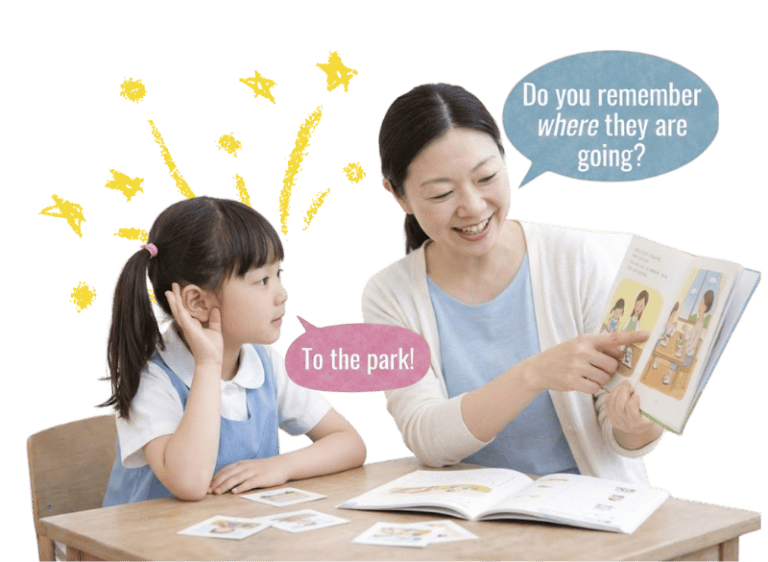
Listening & Comprehension Strategies
Helping children understand instructions, stories, and classroom explanations.
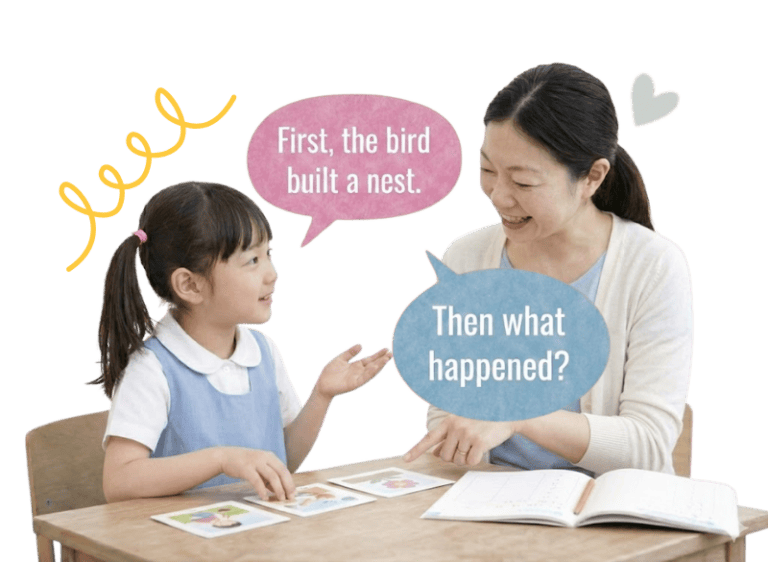
Storytelling & Structured Thinking
Building logical, organised thinking for both spoken and written tasks.
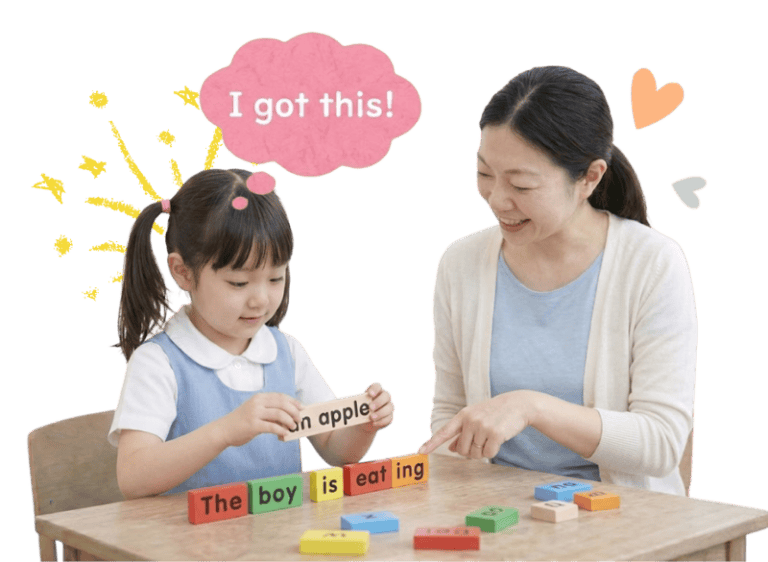
Clear Expression & Sentence Organisation
Helping children turn thoughts into clear, connected messages.

Social Language & Conversation Skills
Supporting peer interaction, group work, and self-advocacy.

Communication Confidence
Encouraging children to speak up, participate, and trust their voice.
What To Expect
Sessions are engaging, practical, and aligned with school-age learning needs. You may see:
• Child-led, interest-based activities
• Visual organisers, graphic frameworks, and story tools
• Language tasks that reflect classroom demands
• Reading comprehension practice
• Playful, real-world learning woven into conversation and activities
We make therapy both enjoyable and effective.

Supporting Learning Across Home and School
Support doesn’t end at the therapy room.
We’ll share practical strategies you can use during homework, reading time, and daily routines — and with your consent, collaborate with teachers or learning support to help your child thrive across environments.
Our Reassuring Reminder
Your child is capable, bright, and growing at their own pace.
With the right tools and support, they can build confidence in learning, friendships, and everyday communication.
You’re not alone — we’re here to support your family every step of the way.
Frequently Asked Questions
About School-Age Language Support
What does school-age language therapy focus on?
Listening, understanding, vocabulary, expressing ideas, reading comprehension, writing organisation, and social communication.
Why might a child who “talks fine” still need therapy?
Academic language is different from everyday conversation.
A child may speak fluently but struggle to understand lessons or express ideas clearly in school.
How do I know if my child may benefit?
Look for difficulties with:
Following instructions
- Answering questions about stories
- Expressing ideas clearly
- Staying on topic
- Organising thoughts in writing
- Understanding new vocabulary
- Reading comprehension
Does therapy help with attention or listening challenges?
Yes — we teach strategies for listening, memory, focus, and planning during communication tasks.
Will this improve school performance?
Stronger language skills support reading, writing, confidence, and classroom participation.
Do you help with writing and composition?
Yes — we support sentence structure, story planning, clarity, and organisation.
My child gets anxious speaking in class — can therapy help?
Absolutely. We support communication confidence, emotional regulation, and self-advocacy.
Do parents get strategies for home?
Yes — simple routines and conversation strategies help reinforce skills.
Do you collaborate with schools or teachers?
Yes, with your consent. Teamwork supports consistent learning across environments.
How long does therapy take?
It varies. We adjust goals gently as your child progresses.
Your Child Deserves to Feel Confident, Capable & Heard — In School and in Life
Let’s Support Your Child’s Learning Journey