
Services > Voice & Medical Rehabilitation
Adult Swallowing Therapy (Dysphagia Rehabilitation)
When swallowing becomes difficult, it can affect more than just eating —
it can take away comfort, confidence, and peace of mind.
With the right support, swallowing can become safer,
and mealtimes can feel calm and enjoyable again.
Speech Therapy Adventures is endorsed by:


Services > Voice & Medical Rehabilitation
When swallowing becomes difficult, it can affect more than just eating —
it can take away comfort, confidence, and peace of mind.
With the right support, swallowing can become safer,
and mealtimes can feel calm and enjoyable again.
Speech Therapy Adventures is endorsed by:
Restoring Safety and Confidence
at Mealtimes
Sharing a meal is how many cultures connect, celebrate, and care for one another.
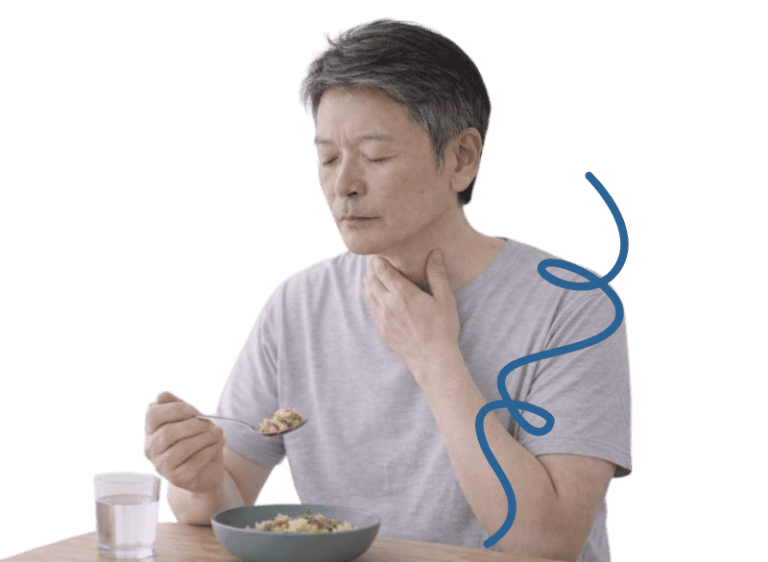
When eating is difficult, or when coughing and choking become common at mealtimes, it can create emotional stress and worry for everyone at the table.
Swallowing should feel natural and effortless — not stressful, tiring, or unsafe. If you’re experiencing changes in swallowing, support is available to help make swallowing safer and meal gatherings more enjoyable.
Dysphagia is common after illness, neurological changes, ageing, injury, or medical treatment. With the right guidance and strategies, many adults regain comfort, safety, and confidence during meals.
You May Be Experiencing
• Coughing or choking during meals
• Feeling like food “gets stuck”
• Needing multiple swallows
• Wet, gurgly, or hoarse voice after eating
• Avoiding certain textures
• Fatigue or shortness of breath while eating
• Anxiety when eating in public
• Unintended weight loss or reduced appetite

These changes are real — and reaching out for help is an act of courage and self-care.
What This Means
These symptoms may indicate dysphagia — difficulty moving food or liquid safely from the mouth to the stomach.
Swallowing involves coordination between muscles, nerves, breath, and posture. When any part is affected, mealtimes can become tiring, uncomfortable, or unsafe.
But with targeted therapy and the right techniques, swallowing safety and comfort can improve meaningfully.
How Our Therapy Helps
We support safer, more confident swallowing through gentle, evidence-based rehabilitation tailored to your needs, medical history, and daily life — and we collaborate closely with your medical team (ENTs, neurologists, oncologists, dietitians) whenever needed to ensure your therapy aligns with your treatment plan, healing stage, and long-term goals. Therapy may include:
Swallowing Techniques
Practical strategies to reduce coughing, choking, and discomfort during meals.

Strengthening & Coordination Exercises
Targeted movements to improve muscle function, breath–swallow timing, and endurance.

Diet & Texture Guidance
Personalised recommendations (when appropriate) to make eating safer and more comfortable — never restrictive unless medically necessary.

Breath–Swallow Support
Techniques to improve airway protection and reduce aspiration risks.

Comfort & Confidence Strategies
Tools for managing swallowing in social, work, and daily life situations.
What To Expect
Sessions are calm, respectful, and shaped around your energy and medical needs. You may experience:
• Slow, safe pacing
• Gentle guidance — never pressure
• Techniques that fit your daily routines
• Education for safe mealtime habits
• Exercises tailored to your comfort and abilities
Your wellbeing leads the way.
We walk beside you — one safe, supported step at a time..

Gentle Support for Safer Swallowing
Your participation — at a pace that feels right — plays an important part in improving swallowing safety and comfort.
We’ll show you simple, realistic strategies to use during meals and throughout the day, without overwhelm or stress.
You don’t have to push through discomfort.
Your only job is to show up as you are — we’ll guide the rest together.
Our Reassuring Reminder
Swallowing changes can feel frightening, frustrating, or isolating — and those feelings are valid.
But dysphagia is something you can get support for, and improvement is possible at every stage of the journey.
There is no “right timeline.”
There is only your pace, your progress, and your comfort — and we honour all of it.
You deserve safety, dignity, and confidence at every meal.
We’re here to help you reclaim them.
Frequently Asked Questions
About Adult Swallowing Therapy (Dysphagia Rehabilitation)
What causes dysphagia?
Dysphagia can arise from neurological conditions (e.g., stroke, Parkinson’s), ageing, head & neck cancer, prolonged illness, injury, or general deconditioning.
What does swallowing therapy involve?
Safe-swallow strategies, strengthening exercises, diet guidance, breath–swallow coordination, and home practice tailored to you.
Do I need a medical exam first?
Not always. If there are red flags, we may recommend an ENT or medical evaluation to ensure safe care
Will therapy be uncomfortable?
No. Therapy is gentle, supportive, and never forceful.
Can therapy help if I cough or choke during meals?
Yes — we use evidence-based methods to improve airway protection and reduce risk.
Do you support people after stroke, illness, or surgery?
Absolutely. Rehabilitation is adapted to your health stage and energy.
Will I receive exercises for home?
Yes — simple routines that fit comfortably into your daily life.
Can therapy help with weight loss due to swallowing issues?
We work with your dietitian and medical team to support safe nutrition and hydration.
Do you help with public eating anxiety?
Yes — strategies for confidence, pacing, and comfort in social situations.
How long does progress take?
Every case is different. Steady, supported practice often leads to meaningful improvements over time.
Ready to Make Mealtimes Safer and More Comfortable?
Let’s explore your concerns together and create a personalised plan to support safer, more confident swallowing.