
Services > Clinical Mentoring for Therapists & Professionals
Clinical Education for Speech Therapists
From Concepts to Clinical Thinking
Becoming a skilled clinician is not about collecting techniques.
It is about learning how to think, integrate, and apply knowledge meaningfully to the child, adult, or family in front of you.
At Speech Therapy Adventures, clinical education and mentoring support therapists to move beyond rote learning — and toward deep, flexible clinical reasoning.
Speech Therapy Adventures is endorsed by:



Services > Clinical Mentoring for Therapists & Professionals
From Concepts to Clinical Thinking
Becoming a skilled clinician is not about collecting techniques.
It is about learning how to think, integrate, and apply knowledge meaningfully to the child, adult, or family in front of you.
At Speech Therapy Adventures, clinical education and mentoring support therapists to move beyond rote learning — and toward deep, flexible clinical reasoning.
Speech Therapy Adventures is endorsed by:
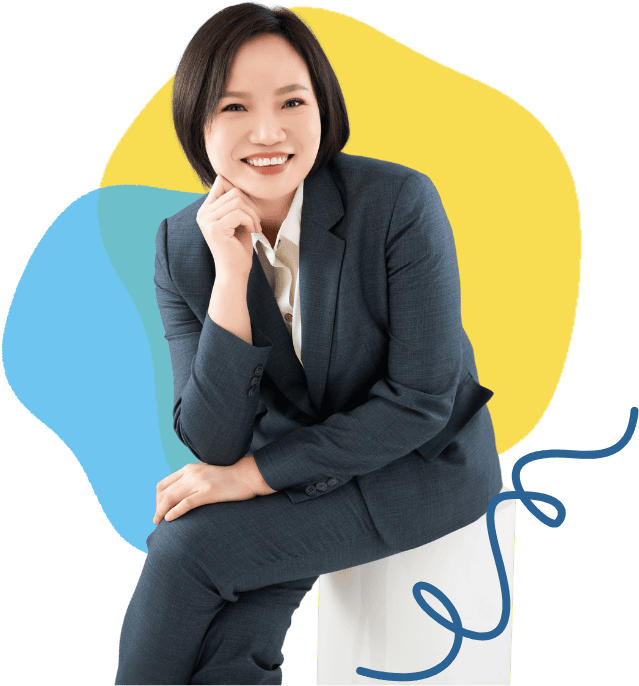
About Your Mentor
Naomi Wong
MSc Speech & Hearing Sciences | Clinical Educator | International Trainer
Naomi Wong is a speech-language therapist based in Singapore and an International DIR® Floortime trainer and speaker. She actively delivers face-to-face DIR® courses in Singapore and provides ongoing training and mentorship to clinicians and educators in China.
Through teaching multiple runs of DIR® 101 within a single calendar year, Naomi has developed a deep understanding of the learning journeys — and common challenges — faced by emerging clinicians as they transition from discipline-specific thinking toward a more integrated, relationship-based clinical framework.
She has previously presented on these topics at ICDL conferences and continues to mentor clinicians working across diverse cultural and clinical contexts.
What You May Be Experiencing
You may find yourself:
• Understanding many therapy concepts, but unsure how to prioritise them in real sessions
• Applying strategies mechanically rather than intentionally
• Struggling to integrate executive functioning, language, regulation, play, and behaviour meaningfully
• Feeling unsure how to adapt approaches for different families, cultures, or contexts
• Wanting deeper confidence in your clinical decisions — not just validation

These questions reflect growth, not inadequacy.
How Our Clinical Education & Mentoring Help
We support therapists in integrating concepts into real practice — not memorising them in isolation.

Integrate Multiple Therapy Frameworks
Helping you connect speech, language, executive functioning, regulation, sensory processing, and play — rather than treating them as separate silos.

Strengthen Clinical Reasoning
Understanding why a strategy fits a specific client at a specific moment — and when it does not.

Apply Learning to Your Actual Caseload
Mentoring is grounded in your real clients, real sessions, and real challenges — not generic case examples.

Move Beyond Rote Learning
We focus on decision-making, prioritisation, and intentionality — not checklist-based therapy.

Practise with Cultural Sensitivity
Naomi’s teaching style emphasises cultural responsiveness, recognising that family values, interaction styles, and expectations shape intervention deeply.
What To Expect
Mentoring sessions are reflective, collaborative, and clinically rich. You may experience:
• Case-based discussions
• Guided reflection and questioning|
• Support in reframing challenges through a developmental lens
• Increased clarity and confidence in your intervention planning
This is a space to think — not to perform.
Our Reassuring Reminder
You do not need more strategies.
You need clarity, integration, and confidence in your thinking.
That is what clinical mentoring is for.
Frequently Asked Questions
About Clinical Education for Speech Therapists
Who is this clinical education and mentoring for?
This service is designed for speech therapists at any stage who want to deepen their clinical reasoning — including early-career clinicians, mid-career therapists seeking integration, and experienced therapists wanting greater clarity and intentionality in their work.
Is this suitable for newly graduated therapists?
Yes. Many newer clinicians benefit from mentoring that helps them prioritise, integrate, and apply what they’ve learned, rather than feeling overwhelmed by competing frameworks and techniques.
How is this different from attending courses or workshops?
Courses introduce concepts. Clinical mentoring focuses on how you think in real sessions — supporting decision-making, adaptation, and integration across frameworks using your actual caseload.
Do I need to be DIR®-trained to benefit from this?
No. While Naomi is an International DIR® Floortime trainer, mentoring supports integration across approaches, meeting you where you are and helping you apply concepts meaningfully within your existing practice.
Is this supervision or mentoring?
This is mentoring, not performance evaluation or compliance-based supervision. The focus is on reflection, reasoning, and growth — not assessment.
Can I bring my own cases?
Yes. Mentoring is grounded in your real clients, real sessions, and real questions, making the learning immediately relevant and applicable.
Will this tell me exactly what to do in sessions?
Rather than prescribing fixed answers, mentoring helps you understand why certain decisions make sense — so you can adapt thoughtfully across clients, contexts, and cultures.
Is this only for paediatric therapists?
While many clinicians work with children and families, the focus on clinical thinking, integration, and reasoning is relevant across age groups and practice settings.
How are sessions structured?
Sessions are collaborative and reflective, often involving case discussion, guided questioning, and reframing challenges through a developmental and relational lens.
What outcomes can I expect over time?
Clinicians often report greater confidence, clearer prioritisation, and reduced reliance on rigid strategies, alongside a stronger sense of coherence in their clinical work.
Develop Confidence in Your Clinical Thinking
Strong therapy doesn’t come from doing more — it comes from understanding more clearly. Let’s support your growth toward intentional, integrated, and culturally responsive practice.