
Services > Voice & Medical Rehabilitation
Rough / Hoarse / Coarse Voice Treatment (Dysphonia / Voice Therapy)
Restoring Vocal Ease, Clarity & Confidence
Your voice carries your identity, emotion, and presence.
When it feels coarse, hoarse, strained, or unlike your usual self, daily communication — and confidence — can be affected.
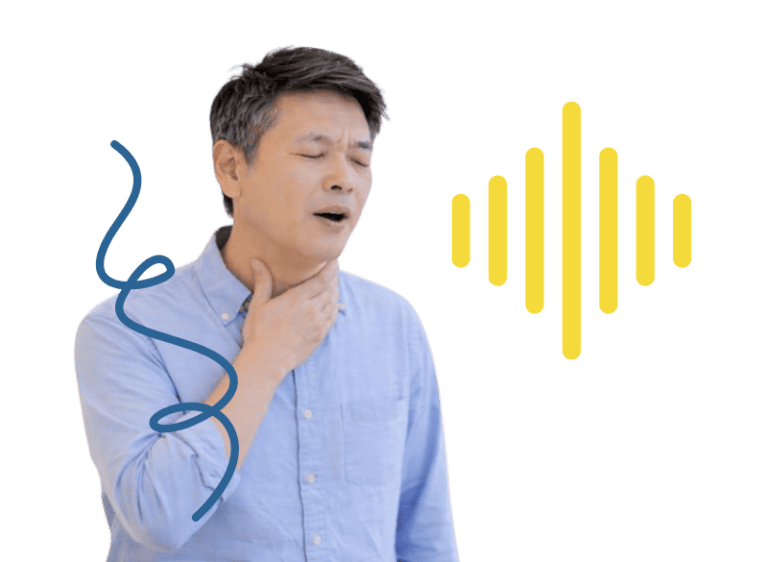
“My voice is hoarse, but my throat doesn’t hurt.”
Seeking support is a positive step toward healing and comfort.
Speech Therapy Adventures is endorsed by:


Services > Voice & Medical Rehabilitation
Restoring Vocal Ease, Clarity & Confidence
Your voice carries your identity, emotion, and presence.
When it feels coarse, hoarse, strained, or unlike your usual self, daily communication — and confidence — can be affected.
“My voice is hoarse, but my throat doesn’t hurt.”
Seeking support is a positive step toward healing and comfort.
Speech Therapy Adventures is endorsed by:
You May Be Noticing
• Persistent hoarseness or roughness
• Voice sounds hoarse/coarse, but your throat doesn’t hurt.
• Voice that gets tired or breaks easily
• Tightness or strain in the throat
• Needing extra effort to speak
• Frequent throat clearing
• Changes after illness, overuse, stress, or surgery

A changing voice can feel worrying — but with informed care, strength and clarity can return.
What This Means
Dysphonia can develop from vocal strain, nodules, illness, reflux, surgery, high voice demands, tension, or neurological conditions. Common conditions can include Muscle Tension Dysphonia, Vocal Nodules, and Presbyphonia (age-related voice changes)
It doesn’t mean your voice is “damaged beyond repair.”
It simply means your vocal system needs support, rest, and healthy technique.
How Our Therapy Helps
We restore healthy, comfortable voice use with evidence-based exercises and gentle, clinically guided support — all paced with your comfort so your voice can feel natural, confident, and reliable again:
Voice Strengthening & Clarity
• Gentle voice exercises
• Resonant and efficient sound production
• Safe warm-ups and daily routines

Reducing Strain & Fatigue
• Breath support and airflow coordination
• Tension release for neck, shoulders, and larynx
• Manual therapy
• Strategies to reduce throat clearing

Building Healthy Voice Habits
• Vocal hygiene education
• Stress & voice load management
• Sustainable speaking strategies
What To Expect
Sessions are supportive, light, and tailored to your voice needs. You may experience:
• Guided voice routines
• Breath-and-sound alignment
• Relaxation and reset techniques
• Education for daily voice care
• Progress tracking at a steady, safe pace
Your voice will always be met with patience and expertise.
For Professional Voice Users
Teachers, presenters, leaders, singers, performers — if your voice is your tool, we offer advanced vocal load strategies, stamina training, and performance support.

Supporting Healthy Voice Use, Day by Day
Small changes in daily habits make a big difference.
We’ll show you simple home practices to protect your voice, reduce strain, and support long-term comfort.
Our Reassuring Reminder
A strained voice is not a permanent barrier.
With the right techniques, most people experience noticeable relief, better endurance, and renewed confidence.
Your voice is worth nurturing — and healing is absolutely possible.
Frequently Asked Questions
About Rough / Hoarse / Coarse Voice Treatment (Dysphonia / Voice Therapy)
What is dysphonia?
Dysphonia refers to difficulty producing a clear, steady voice due to strain, irritation, injury, or neurological causes.
What are common signs of voice difficulty?
Hoarseness, vocal fatigue, pain, tightness, reduced projection, cracks, breathiness, or frequent breakdowns.
Who benefits from voice therapy?
- Teachers and public speakers
- Singers and performers
- Adults with voice strain or fatigue
- Individuals with changes after illness, intubation, or surgery
- People with neurological voice differences
What causes voice disorders?
Overuse, misuse, illness, reflux, tension, allergies, structural changes, or neurological conditions.
Do I need an ENT exam first?
If we suspect structural or medical factors, we may recommend ENT evaluation before therapy. Your safety comes first.
What does voice therapy involve?
Vocal hygiene, breath support, resonance training, tension release, efficient placement, and safe warm-ups.
Will I learn to project without strain?
Yes — we teach techniques for clear, strong, sustainable voice use.
Do you work with singers?
Yes — we support technique, stamina, range, recovery, and vocal load management.
How long does therapy take?
It varies. Many people feel increased ease and relief within a few weeks of steady practice.
Do you offer tele-therapy?
Yes — voice therapy is highly effective online.
Will therapy be uncomfortable?
No. Voice work is gentle and tailored to your comfort.
Can stress affect my voice?
Absolutely. We include breath, posture, and relaxation techniques to reduce tension patterns.
Ready to Support Your Voice?
Let’s talk about your voice concerns and explore how we can help you feel clearer, stronger, and more comfortable.