
Services > Hearing & Auditory Skills
Central Auditory
Processing Disorder (CAPD) Support
Listening, Processing & Understanding Speech
If your child has normal hearing on a hearing test but still struggles to understand spoken language — CAPD may be part of the picture.
This can feel confusing or worrying as a parent, but you’re not alone.
With the right support, children (and adults) can develop stronger listening and comprehension skills and be able to function in our everyday (not so quiet) environment.
Speech Therapy Adventures is endorsed by:


Services > Hearing & Auditory Skills
Processing Disorder (CAPD) Support
Listening, Processing & Understanding Speech
If your child has normal hearing on a hearing test but still struggles to understand spoken language — CAPD may be part of the picture.
This can feel confusing or worrying as a parent, but you’re not alone.
With the right support, children (and adults) can develop stronger listening and comprehension skills and be able to function in our everyday (not so quiet) environment.
Speech Therapy Adventures is endorsed by:
You May Be Noticing
• Difficulty listening in noisy environments
• Trouble following spoken directions
• “Mishearing” or misunderstanding speech
• Difficulty focusing on speech over background sounds
• Challenges in school when lessons are verbal
• Feeling easily overwhelmed by sound

A hearing test checks the ears — CAPD relates to how the brain processes and interprets sound.
What This Means
CAPD affects the brain’s ability to analyse, organise, and make sense of what is heard.
Children may hear the sounds clearly, but the meaning gets “mixed up” along the way — especially when noise, fast speech, or complex instructions are involved.
This is not a reflection of intelligence.
It simply means the listening system needs targeted support to grow stronger.
How Our Therapy Helps
We support your child in strengthening listening and comprehension skills — and when needed, we collaborate with your audiologist or school to ensure a complete, well-rounded approach:
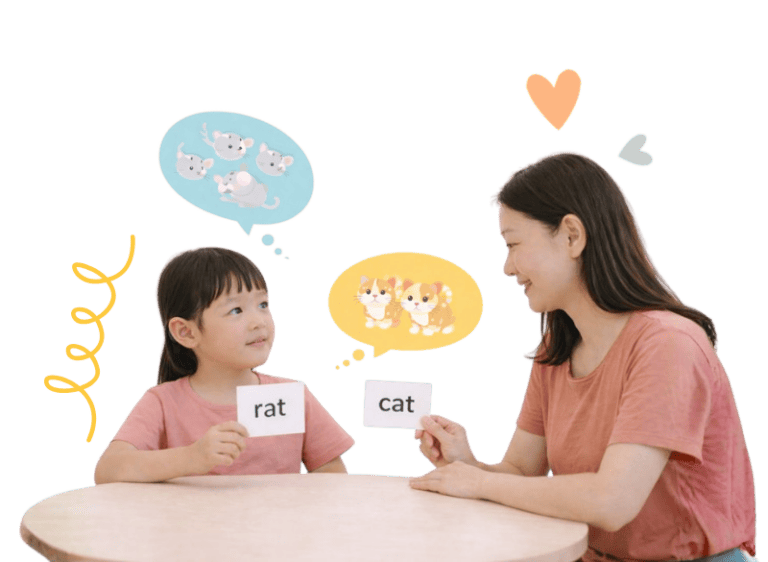
Sound Discrimination Skills
Helping the brain notice differences between similar-sounding words.
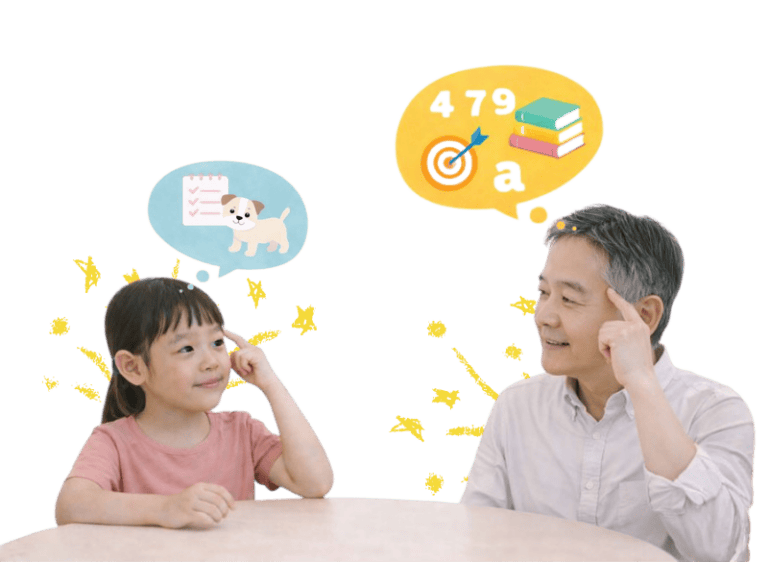
Listening Attention & Auditory Memory
Building focus and recall for spoken information.
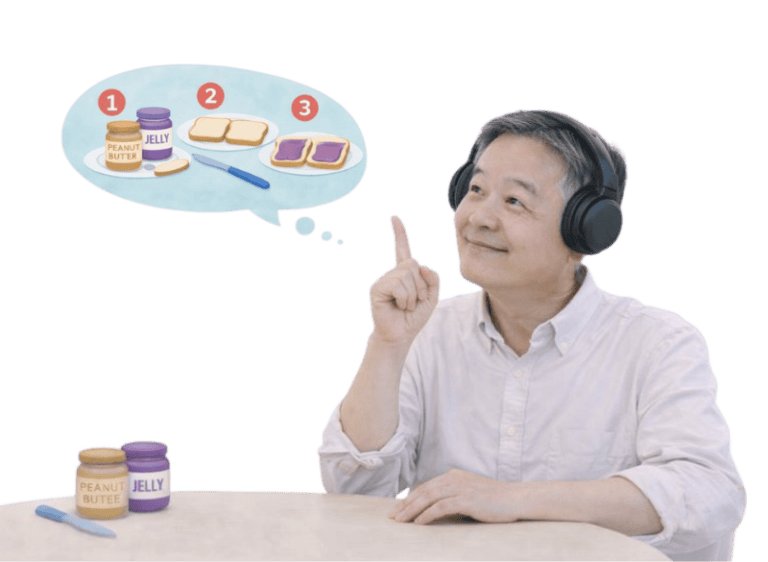
Following Multi-Step Instructions
Practising understanding longer or more complex directions.
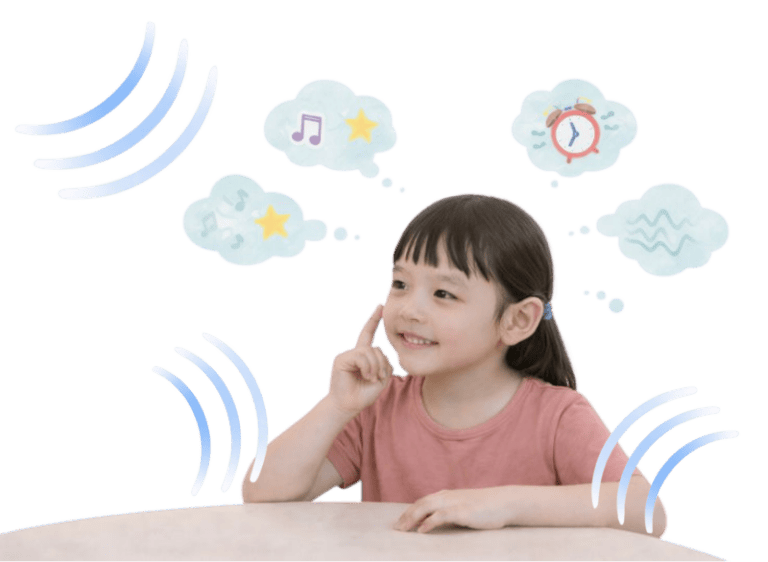
Listening in Background Noise
Developing strategies to tune in, even when the environment is busy.
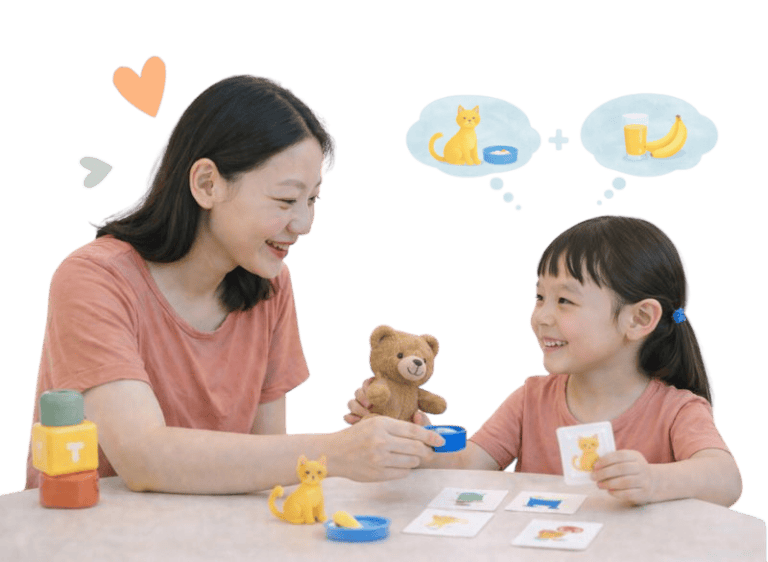
Language Comprehension & Processing Strategies
Helping children interpret meaning more confidently in daily communication.

Coping Skills & Self-Advocacy
Supporting emotional confidence and communication success in school, home, and social settings.
What To Expect
Our sessions Are Calm, Structured & Supportive
• Guided listening activities
• Visual and communication supports
• Games that strengthen sound processing
• A safe environment with no pressure
• Gradual increases in challenge at a comfortable pace
We focus on building skills and confidence together — both matter equally.

Guided Support Across Everyday Settings
We’ll guide you with simple strategies you can use at home, during routines, and in school settings.
Small, consistent moments of practice make a big difference.
Our Reassuring Reminder
CAPD does not reflect intelligence or potential.
With understanding, strategy, and support, children (and adults) can grow into strong, capable communicators — step by step, layer by layer.
Frequently Asked Questions
About Central Auditory Processing Disorder (CAPD) Support
What is Central Auditory Processing Disorder?
CAPD affects how the brain interprets sound — even when hearing is normal. A child may hear speech, but struggle to understand it clearly, especially in noise.
What are signs of CAPD?
- Difficulty following spoken instructions
- Mishearing similar-sounding words
- Trouble understanding in noisy places
- Asking “What?” or “Huh?” frequently
- Slow or delayed responses
- Listening fatigue
- Preferring visual learning
How is CAPD diagnosed?
Through a formal auditory processing evaluation by a trained audiologist.
We provide therapy after diagnosis or when listening patterns strongly suggest a need.
Can therapy begin without a diagnosis?
Yes. If listening challenges affect daily life, early support is beneficial while exploring assessment options.
What does therapy focus on?
- Listening comprehension
- Speech-in-noise skills
- Sound discrimination
- Auditory memory & sequencing
- Classroom communication strategies
- Confidence & self-advocacy
Will this help with attention and learning?
Yes. Stronger auditory skills support better participation and learning success.
Do you provide home practice?
Yes — simple, realistic activities that fit naturally into your routines.
Can CAPD improve over time?
Many individuals show significant progress with targeted intervention.
Will you work with my child’s school?
Absolutely — collaboration helps children succeed across settings.
Is CAPD the same as ADHD or language delay?
No, but they can co-occur. Therapy is tailored to each child’s unique needs.
Do adults have CAPD too?
Yes — adults can also benefit from listening strategies and training.
Ready to Explore Listening & Processing Support?
Let’s talk about you or your child’s needs and how we can help.