Services > Language & Learning Skills

Language Delay
(Late Talkers)

Supporting Early Language, Expression & Understanding

It’s natural to feel concerned when your child is talking less than expected or struggling to express themselves.

Many children take a little longer to use words — and with the right support, early communication can grow beautifully.

You’re doing something caring and proactive by exploring help.

Speech Therapy Adventures is endorsed by:

Child and therapist engaging in speech therapy for late talkers.

Services > Language & Learning Skills

Language Delay
(Late Talkers)
Child and therapist engaging in speech therapy for late talkers.

Supporting Early Language, Expression & Understanding

It’s natural to feel concerned when your child is talking less than expected or struggling to express themselves.

Many children take a little longer to use words — and with the right support, early communication can grow beautifully.

You’re doing something caring and proactive by exploring help.

Speech Therapy Adventures is endorsed by:

You May Be Noticing

• Later first words or babbling

• A small vocabulary compared to peers

• Difficulty understanding instructions

• Limited phrases or short sentences

• Frustration when trying to communicate

• Challenges expressing ideas or needs

• Difficulty keeping up with peers in conversation

Child-friendly speech therapy adventure kit with boat and sailboat theme.

Language grows gradually — and every child has their own pace.

What This Means

A language delay means your child is developing speech and language skills more slowly than expected.

This is not caused by lack of effort, intelligence, or the way you interact with them.

Some children need a little more support, repetition, and language-rich experiences to help words “stick” and ideas flow.

Early support strengthens confidence and communication in everyday life.

How Our Therapy Helps

We help language grow through child-led, play-based, evidence-informed approaches — and we teach families simple strategies to support communication at home:

Speech therapy session with a young boy and therapist focusing on language delay.

Building Early Words & Phrases

Helping your child use meaningful words during play and daily routines.

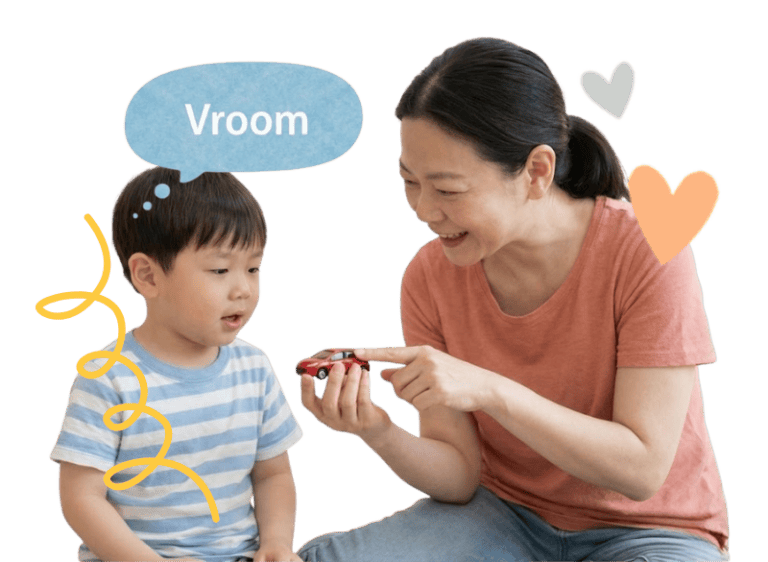
Child with speech delay playing with toy car during speech therapy session.

Growing Understanding

Supporting your child’s ability to follow instructions, routines, and stories.

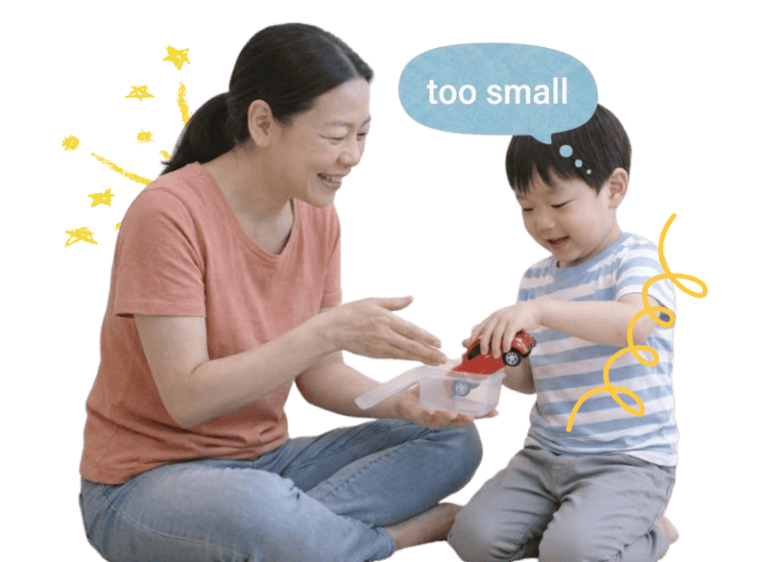
Child and therapist engaging in speech therapy for language delay.

Expanding Vocabulary

Introducing new words through play, books, and hands-on activities.

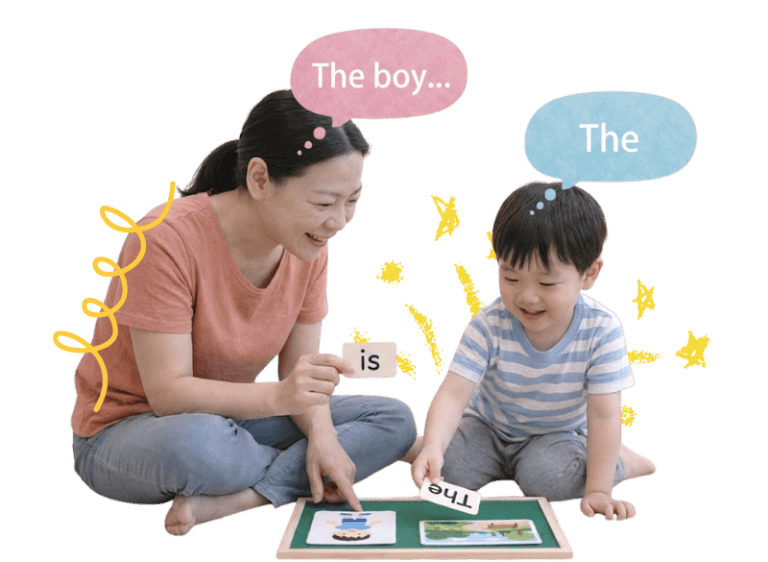
Child and therapist engaging in speech therapy for language delay.

Sentence Building & Expression

Helping children combine words into longer, clearer messages.

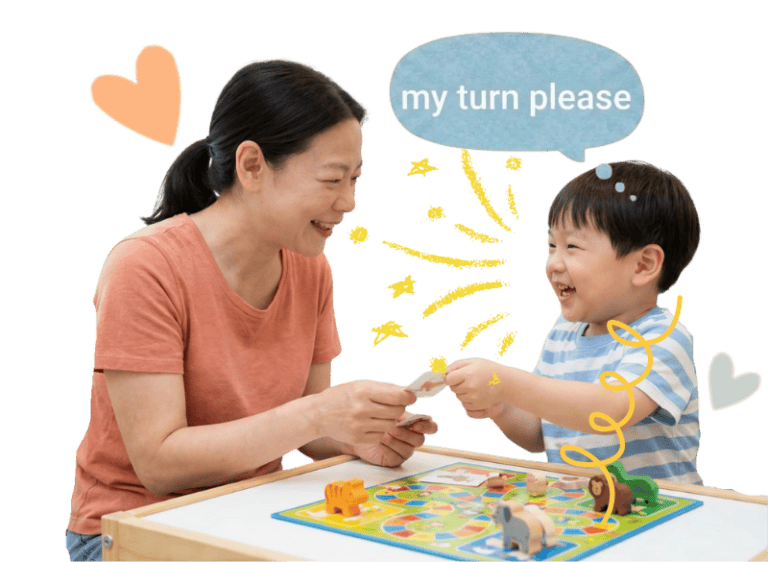
Conversation & Social Interaction

Building confidence during play, turn-taking, and everyday interactions.

Child with language delay playing with stacking blocks, celebrating progress.

Confidence Through Joyful Learning

Following your child’s interests so language practice feels fun, safe, and motivating.

What To Expect

Therapy is warm, playful, and developmentally supportive. You may see:

• Modelling and gentle guidance
• Repetition through meaningful activities
• Visuals, gestures, and natural communication supports
• Techniques woven into play, books, routines, and movement
• Celebrating every new sound, word, or phrase

We focus on connection first — because children learn best when they feel understood and encouraged.

Speech therapy session focusing on articulation and pronunciation skills.

Supporting Language Growth, Together

Language develops fastest when families use simple, consistent strategies at home.

We’ll show you easy ways to support communication in daily routines — during meals, playtime, bath time, and quiet moments of connection.

Together, we build stronger communication step by step.

Our Reassuring Reminder

Being a late talker does not define your child’s potential.
With warmth, practice, patience, and the right support, language can grow in joyful and meaningful ways.

You are not alone — we walk this journey with you.

Frequently Asked Questions

About Language Delay (Late Talkers)

What is a language delay?

A language delay means a child is learning words, understanding language, or using sentences more slowly than expected for their age.

No. Language delay is not caused by “not talking enough” or by anything you did wrong. Many factors influence early language development.

Research shows early support leads to stronger outcomes. If you have concerns, it’s best to seek guidance rather than wait.

  • Fewer than 50 words by age 2
  • Not combining words into short phrases
  • Difficulty following instructions
  • Frustration during communication

Many late talkers make great progress with early support. We focus on building communication in ways that feel natural and motivating.

Play-based activities, modelling, vocabulary building, sentence support, pretend play, storytelling, and parent-guided strategies.

Yes — parent involvement is a key part of progress.
We show you simple strategies you can use throughout the day.

Yes when helpful. These tools support communication and can actually encourage speech — not replace it.

No. Bilingualism does not delay speech. We support all home languages.

Every child progresses differently. We adjust goals gently as your child grows.

Yes — collaboration helps your child communicate confidently across environments.

Let’s Support Your Child’s Communication Together

Let’s talk about your child’s language development